


Niigata Koshihikari -新潟 こしひかり- 2025 Crop
Niigata Koshihikari -新潟 こしひかり- 2025 Crop - 2lb / White is backordered and will ship as soon as it is back in stock.
Description
Description
Niigata Koshihikari from the "Granary of Northern Kanbara"
When people talk about Japanese rice, Koshihikari from Niigata usually comes up first. And within Niigata, Shibata City stands out—they call it the "Granary of Northern Kanbara" for good reason.
The geography here is perfect for rice. Pure snowmelt flows down from the Iide Mountain Range through the Kaji River system. The soil is rich with minerals from these clear streams. And you get those big temperature swings between day and night that help rice develop real depth of flavor.
How it's grown
A lot of Shibata farmers go the extra mile with reduced pesticides and chemical fertilizers. Some make their own compost from local dairy manure. It's more work, but it keeps the soil healthy and the flavor clean.
Areas like Sugaya, Tsukioka Onsen, and Itayama Junshin Village have particularly strong reputations. The rice from these places consistently shows that classic Koshihikari character: sweet, aromatic, beautifully glossy.
What it tastes like
This is textbook great Koshihikari. Strong sweetness that's elegant, not cloying. Sticky enough to have body, but still refined. The aroma fills the room when you open the rice cooker. And the grains have this beautiful shine to them.
Like Yumepirika, it stays good after cooling—perfect for bento or onigiri. That's actually a sign of quality rice.
The quality standards
They're serious about sorting and inspection here. Color-sorting machines catch any off grains. Everything gets checked after harvest. Each lot is managed carefully to maintain consistency.
Who it's for
If you want to know what premium Niigata Koshihikari is supposed to taste like, this is your answer. Strong flavor, sustainable farming, proven quality. Whether you're eating it hot with dinner or packed in a lunch box the next day, it delivers.
This isn't just rice labeled "Niigata Koshihikari"—it's from one of the places that made that name mean something in the first place.

Niigata Koshihikari -新潟 こしひかり- 2025 Crop - 2lb / White is backordered and will ship as soon as it is back in stock.
Japanese rice is short-grain rice. "Hakumai," Japanese white rice, is milled to remove the rice bran from the brown rice, known as "Genmai".
"Butsuki-mai" is partially milled rice, named after how much of the bran has been removed from the brown rice.
The nutritional value of bran is retained by adjusting the ratio of milled rice:
- 30% milled rice: 30% of the bran has been removed.
- 50% milled rice: 50% of the bran has been removed.
- 70% milled rice: 70% of the bran has been removed.
How to Cook White Rice & Partially Milled Rice
Instructions:
- Measure the rice.
- Level off the rice in the measuring cup.
- 1 rice measuring cup = 180ml/150g.
- Rinse the rice.
- Add water to the bowl and pour it out quickly.
- This removes any dust from the rice's surface and avoids being absorbed.
- Wash the rice.
- Gently wash the rice by stirring by hand with the water drained.
- Repeat 2-3 times.
- Drain the water with a strainer.
- Transfer the rice to a pot.
- Add water: 180-200 ml per 1 rice measuring cup.
- Presoak in water.
- Soak the rice in water for 30 minutes to allow it to absorb water.
- Rice will be tender and cooks evenly afterwards.
Cook in a pot:
- Put the lid on the pot.
- Turn it over medium heat to reach boiling (10-15 minutes)
- Once boiled, keep it for 2 minutes.
- Then lower the heat, boil for another 3 minutes.
- Turn the heat to low and cook for 5-7 minutes.
- Turn off the heat.
- Steam the rice.
- Remove it from the stove.
- Keep the lid on and leave it for 5-10 minutes to steam.
- Stir the rice.
- Carefully open the lid.
- Dig from the bottom of the pot using a rice scoop.
Cook in a rice cooker:
- Transfer the washed rice to the inner pot.
- Add water to the measuring line.
- Turn it on the "White Rice" mode and start cooking.
- Once cooked, carefully open and gently stir.
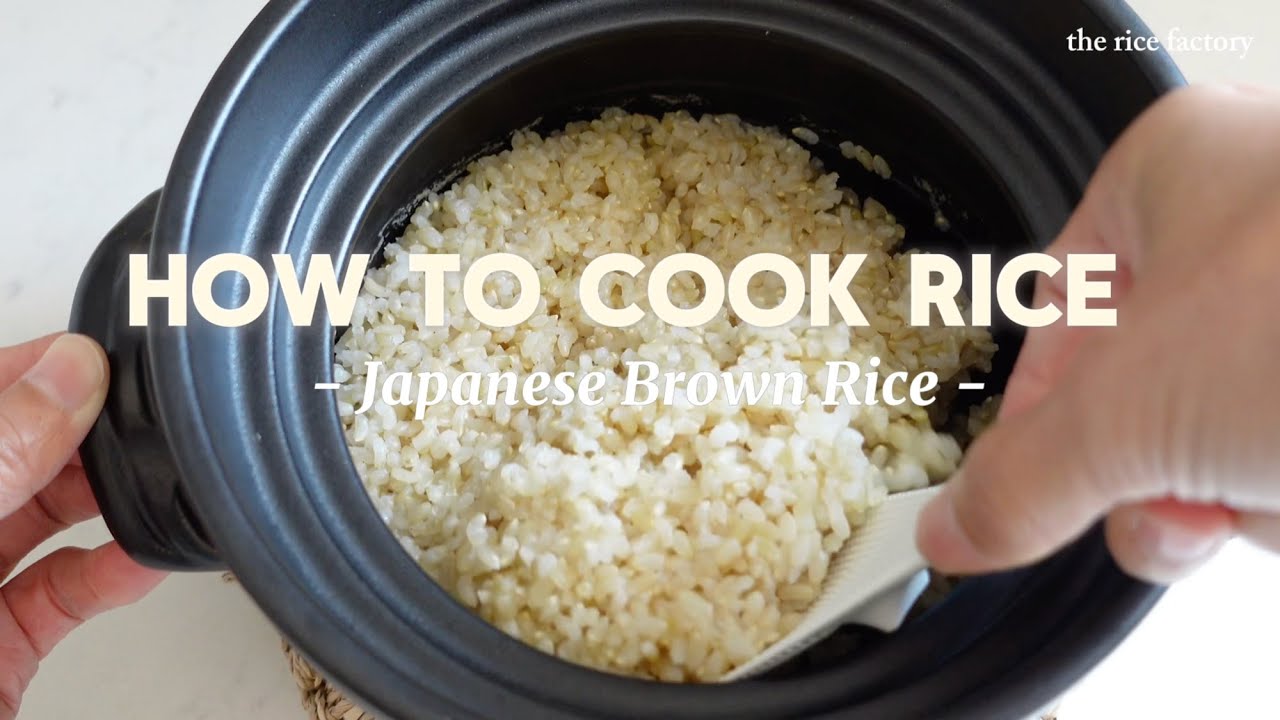
Japanese brown rice, also known as “Genmai,” is short-grain brown rice.
Brown rice retains the bran and germ intact, making it rich in vitamins, minerals, and fiber. It is less sticky than white rice, has a nutty flavor, and subtle sweetness.
How to Cook Brown Rice and Cooking Tips
Cooking tips and steps:
- Rub Gently
- Rub the brown rice gently while washing.
- It helps each rice grain absorb water, resulting in softer rice.
- Change the water and repeat washing for 1-2 minutes.
- Soak Longer
- Soak the rice longer than white rice, at least 2 hours.
- It allows to soak more moisture and maximize flavor.
Cook in a pot:
- Drain the water and remove it to a pot.
- Use cold water.
- Add water: 270 - 300ml per 1 rice measuring cup.
- Use cold water or water with ice cubes for cooking.
- The water temperature rises gradually, it allows the rice to absorb moisture at a steady pace.
- Placing the rice in the refrigerator when presoaking also helps.
- Keep the lid on.
- Keep the lid on, let the steam cook the rice tender.
- Start with medium heat to reach boiling (10-15 minutes).
- Once boiled, reduce the heat to low.
- Cook for 20 minutes on low heat, keeping the lid on.
- Turn off the heat.
- Remove the pot from the stove and steam for 10 minutes.
- Keep the lid on, never open.
- Carefully open the lid.
- Fluff the rice with a rice scoop.
Cook in a Rice Cooker:
- Transfer the washed rice to the pot.
- Add water to the measuring line.
- Turn on the "Brown Rice" mode and start cooking.
- Gently stir the cooked rice.
SHIPPING
Delivery and handling charges for orders are as follows: Delivery Charges / Per Destination
<Updated 7/1/2025>
Starting 7/1/25, orders that do not qualify for free shipping will be charged a calculated shipping fee by weight.
- NY, NJ, CT
- Free shipping on purchases of $60 or more
- For orders under $60, shipping is automatically calculated based on the number of items and their weight.
- States Group1*
- Free shipping on purchases of $80 or more
- For orders under $80, shipping is automatically calculated based on the number of items and their weight.
- States Group2*
- Free shipping on purchases of $100 or more
- For orders under $100, shipping is automatically calculated based on the number of items and their weight.
[Group1*]
States other than the below
[Group2*]
- Arizona
- California
- Colorado
- Idaho
- Kansas
- Montana
- Nebraska
- Nevada
- New Mexico
- North Dakota
- Oklahoma
- Oregon
- South Dakota
- Texas
- Utah
- Washington
- Wyoming
*We do not currently ship to AK and HI
*Gift cards do not apply toward the free shipping total.
RETURN
In principle, we do not accept returns or exchanges at the customer's convenience. In the unlikely event that an item is missing, different from the one ordered, or arrives damaged, please contact us within 7 days via our Contact form.
We're the rice factory
We believe you deserve the highest quality and freshest rice possible.
What Makes Our Rice So Special?
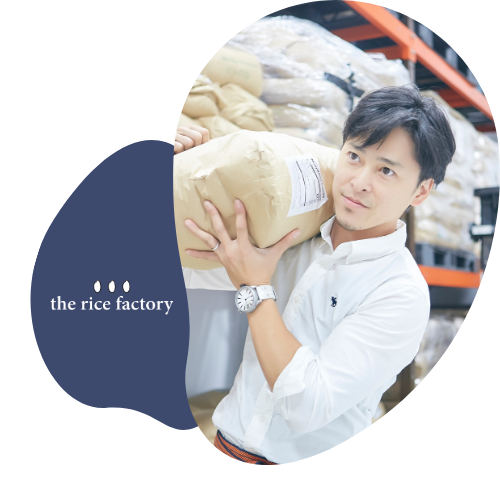
At the rice factory, we carefully select rice produced with no pesticides or low pesticides after thoroughly evaluating its place of origin, taste, aroma, and texture. We also personally visit the growing areas!

Fresh Is Best
To maintain freshness, our rice is stored at optimal temperatures in Japan and during transport to the U.S.

Milling Matters
Rice is milled fresh to order, preserving its flavor and allowing customers to choose their preferred milling level.

Japanese Products
Alongside our rice, we offer a range of additive free seasonings and rice products, sourced directly from Japan.

Customers Come First
Whether online or in-store, our goal is to provide outstanding service and top-quality products to all of our customers!

the rice factory USA
the rice factory store locations in the US


the rice factory Europe & Oceania
the rice factory locations in Western Markets


TAWARAYA
Group Stores Expanding Across Asia


